

Sustainability
Less water, more life
Local plants, gravel instead of grass, no pesticides — and a garden full of bees. Scroll down, into one of my gardens.
Dig inCyprus is one of the most water-stressed countries on Earth.
01 - Water
Our summers are growing longer, hotter and drier — so every drop that falls here counts.
A garden should not fight its climate.
It should belong to it.
02 - The idea
Sustainability does not mean compromising on beauty. It means designing differently.
Plants that already know the island.
03 - Local plants
Olive, carob, mastic, lavender, thyme, rosemary. Once settled in, they need far less water than a lawn — and they rarely need treating at all.
Gravel instead of grass.
Drip instead of sprinklers.
04 - Less water
Water goes straight to the roots, never to the path or the air. The gravel keeps the soil cool and stops it drying out in the sun.
No poison.
So the bees come back.
05 - No pesticides
No pesticides, no chemicals — safe for children, for pets, and for her.
- 3 in 4of the crops we eat need visitors like her.
- 1 in 10wild bee species in Europe is in danger of disappearing.
Today, luxury is knowing how to slow down.
Instead of a lawn
Melissochorto, the bee lawn
Lippia nodiflora — the living carpet Greeks call “bee grass”. It is what I plant instead of a thirsty lawn, and instead of plastic.
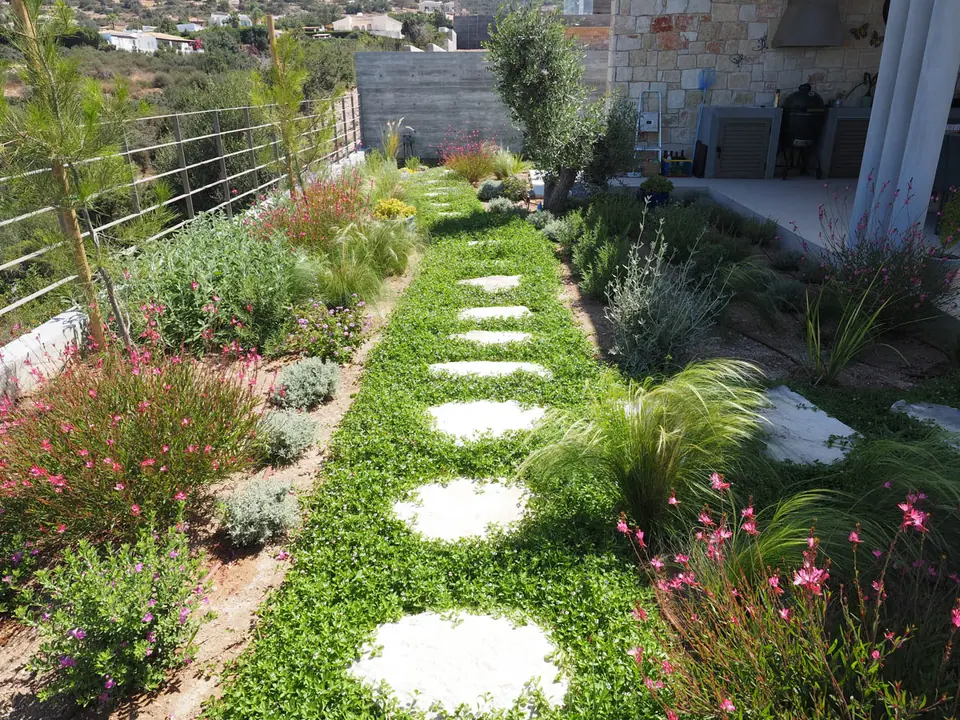
01 - Little water
A light watering only when the soil is dry — no sprinklers every evening.
02 - No mowing
It spreads and mends itself — no weekly mowing.
03 - For the bees
In flower from May to October and humming with bees — no pesticides.
04 - Cool underfoot
Happy with children and dogs — and no plastic.
“Lipia is between the stepping stones. It’s beautiful and smells wonderful with all the herbs…”
The palette
Plants that belong here
The plants I reach for most. Of these 24, 23 are drought tolerant, 21 are low maintenance and 16 feed the pollinators.
-
Aloe VeraAloe barbadensis miller Drought tolerant · Low maintenance
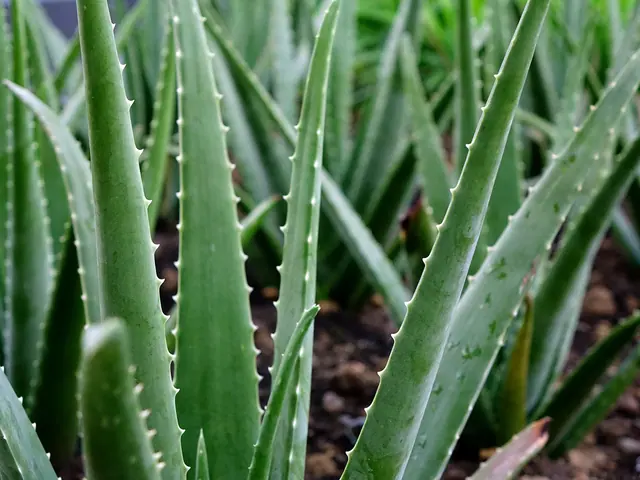
Aloe is both practical and beautiful, a winning combination. The gel contained in its leaves is a natural remedy for soothing sunburn, skin irritations and minor wounds. We also love aloe for its striking structural shape and springtime orange-yellow spires.
- Height
- 40–60 cm
- Spread
- 30–60 cm
- Flowers
- February to April
- Sun
- Full sun to part shade
- Native to
- Arabian Peninsula, Northern Africa and Mediterranean
-
BougainvilleBougainvillea spp. Drought tolerant · Pollinator friendly · Low maintenance
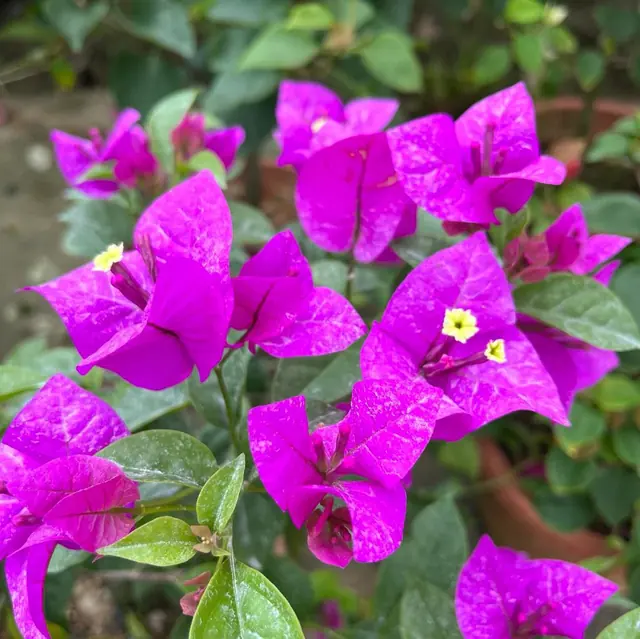
Besides olive and lavender, there’s probably no other plant that typifies the Mediterranean like bougainvillea. Its bright and colourful bracts bloom year-round in shades of pink, purple, red, orange, white and yellow. It’s a low-effort, high impact plant.
- Height
- 1–12 m
- Spread
- 1–12 m
- Flowers
- Year-round
- Sun
- Full sun
- Native to
- Brazil, Peru and Argentina
-
BulbinellaBulbine frutescens Drought tolerant · Pollinator friendly · Low maintenance
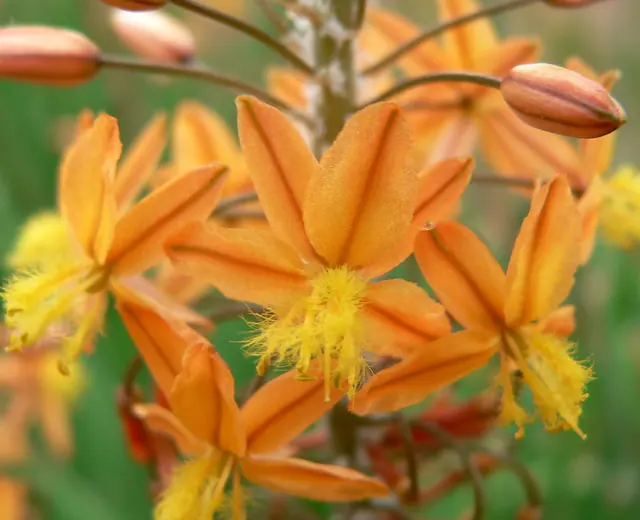
Bulbinella stands out in our gravel gardens with its bright orange and yellow flowers. We love it because it’s easy to care for and requires little water, making it ideal for our Mediterranean environment.
- Height
- 30–50 cm
- Spread
- 30–60 cm
- Flowers
- March to October
- Sun
- Full sun to part shade
- Native to
- South Africa
-
Citrus TreeCitrus spp. Drought tolerant · Pollinator friendly · Evergreen
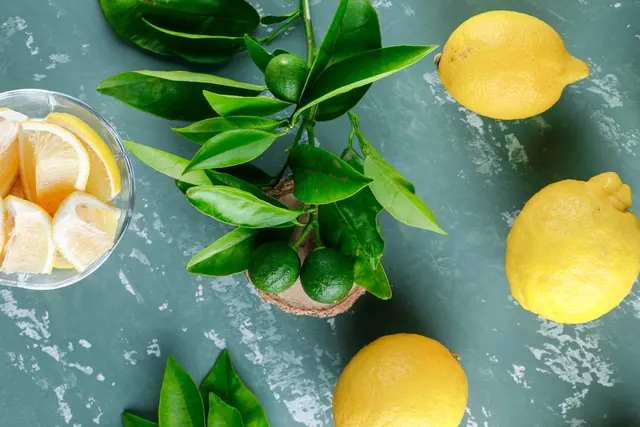
With its glossy evergreen leaves, fragrant flowers and bright juicy fruits, it offers beauty and a delightful sensory experience throughout the year.
- Height
- 3–6 m
- Spread
- 2–5 m
- Flowers
- Year-round
- Sun
- Full sun
- Native to
- Asia, primarily India, Myanmar and China
-
Cypress TreeCupressus sempervirens Drought tolerant · Evergreen · Low maintenance
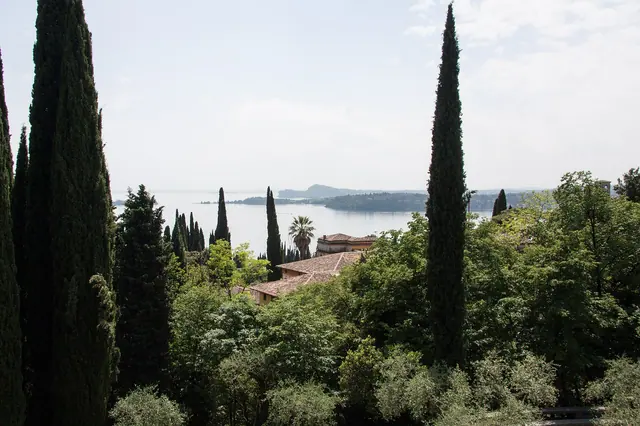
Cupressus adds a classic and elegant element to any garden. We like to plant it in lines along a drive or path, dot them along mountainside terraces or plant them as a grouping in cloud gardens.
- Height
- 5–15 m
- Spread
- 1–2m
- Flowers
- Non-flowering
- Sun
- Full sun
- Native to
- Eastern Mediterranean
-
Ice PlantDelosperma cooperi Drought tolerant · Pollinator friendly · Evergreen
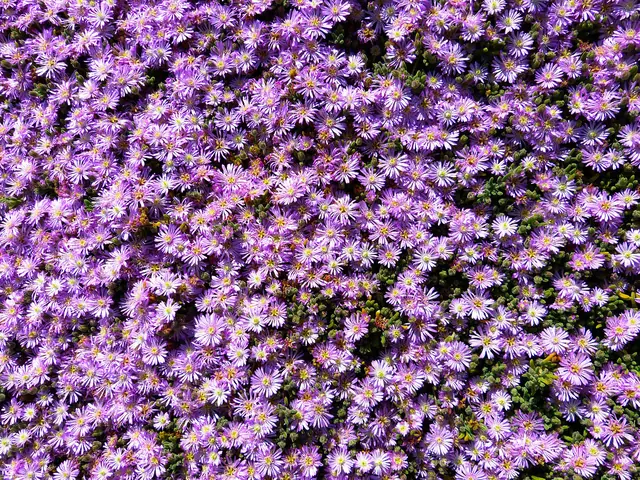
It requires minimal watering besides the occasional rainfall and produces a carpet of abundant, daisy-like flowers that provide long-lasting colour.
- Height
- 10–15 cm
- Spread
- 30–60 cm
- Flowers
- Year-round
- Sun
- Full sun
- Native to
- South Africa
-
Pride of MadeiraEchium candicans Drought tolerant · Pollinator friendly · Evergreen
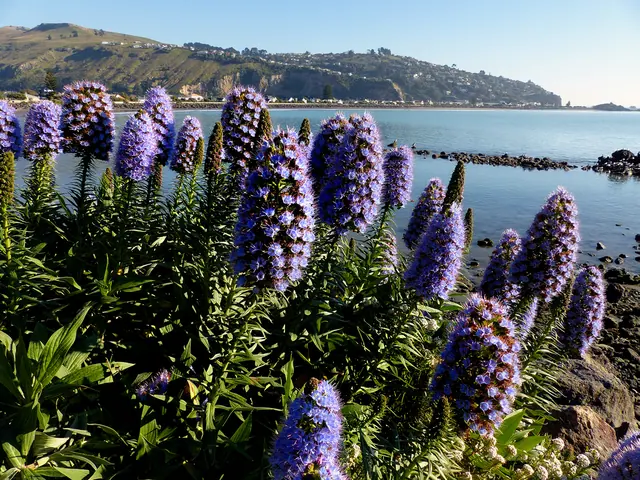
Echium is one of our favourite perennials because of its large, coneshaped clusters of vivid purple flowers. Its evergreen leaves add structure, it requires little water and is highly attractive to bees and other pollinators.
- Height
- 1–3 m
- Spread
- 1–2 m
- Flowers
- February to April
- Sun
- Full sun
- Native to
- Madeira
-
Herbs Pollinator friendly · Evergreen · Fragrant
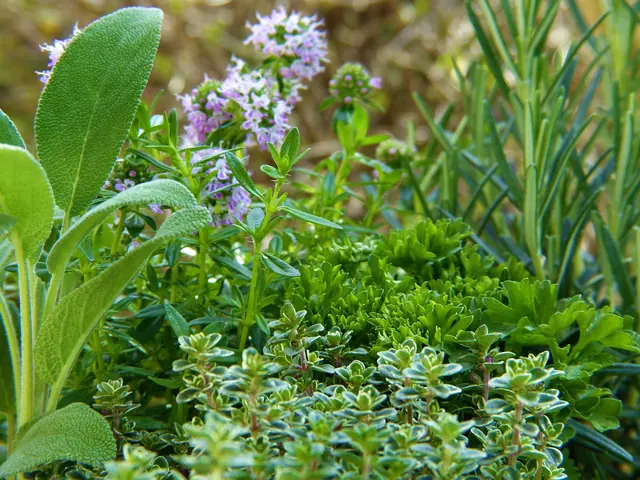
Allium schoenoprasum (Chive), Aloysia citrodora (Lemon Verbena), Artemisia dracunculus (Tarragon), Cymbopogon citratus (Lemongrass), Cynara cardunculus (Globe Artichoke), Laurus nobilis (Bay), Mentha suaveolens (Mint), Origanum vulgare (Oregano), Salvia officinalis (Sage), Salvia rosmarinus ‘Prostratus’ (Rosemary), Thymus vulgaris (Thyme). Most clients ask us to include a herb garden in our designs. We plant rosemary, chives, sage, mints, oregano, thyme and more, staying away from soft herbs like cilantro and parsley that quickly bolt under the intense Cypriot summer sun.
-
LavenderLavandula dentata Drought tolerant · Pollinator friendly · Evergreen
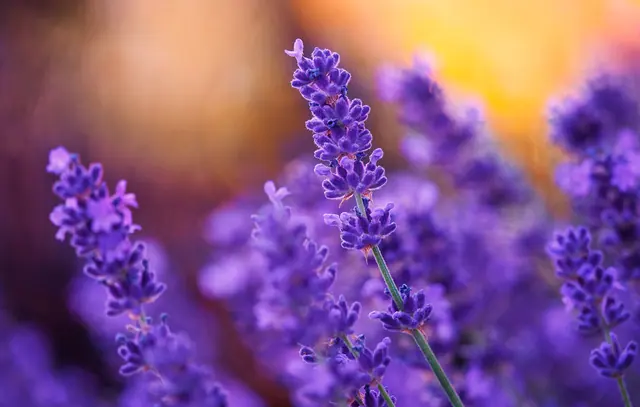
Lavender fields are a sensory delight with the colour and beauty of its spire-like flowers, the sound of buzzing bees and the heavenly scent. It has specific soil and water requirements, so we like to plant it on its own – in fields to create an aromatic meadow or in rows, like you see in Provence.
- Height
- 60–100 cm
- Spread
- 60–100 cm
- Flowers
- October to May
- Sun
- Full sun
- Native to
- Mediterranean and North and East Africa
-
OleanderNerium oleander Drought tolerant · Pollinator friendly · Evergreen
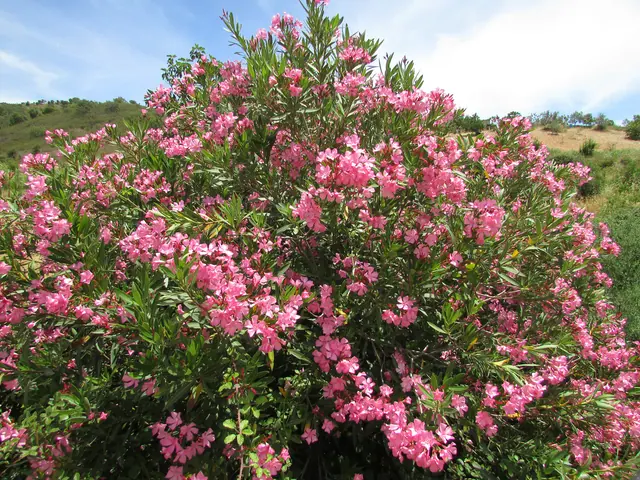
Nerium is an ornamental shrub that produces a profusion of flowers in shades of pink, red, white and yellow during the summer. It is extremely hardy, making it ideal for our Mediterranean landscapes. N.B. Highly toxic to humans and animals.
- Height
- 2–5 m
- Spread
- 1–3 m
- Flowers
- May to October
- Sun
- Full sun
- Native to
- Mediterranean
-
GauraOenothera lindheimeri Drought tolerant · Pollinator friendly · Low maintenance
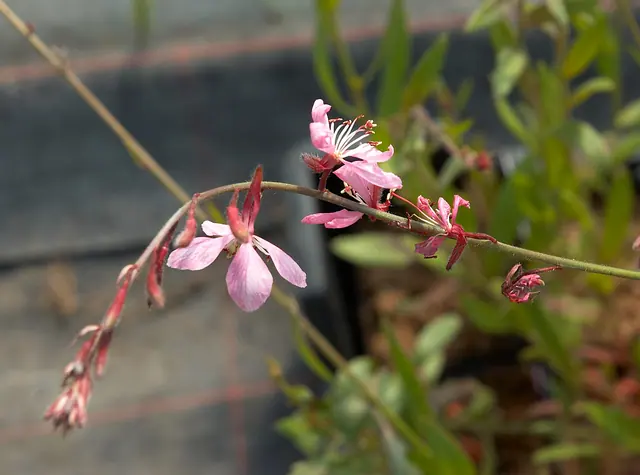
Oenothera is one of our favourite perennials. Our own garden is filled with its light and airy flowers that resemble butterflies fluttering above the foliage. We use gaura not just for its long-lasting blooms, but because it’s water efficient and low maintenance, making it a near perfect Mediterranean flower.
- Height
- 50–150 cm
- Spread
- 40–100 cm
- Flowers
- May to September
- Sun
- Full sun
- Native to
- Texas and Louisiana, U.S.A.
-
OliveOlea europaea Drought tolerant · Pollinator friendly · Evergreen
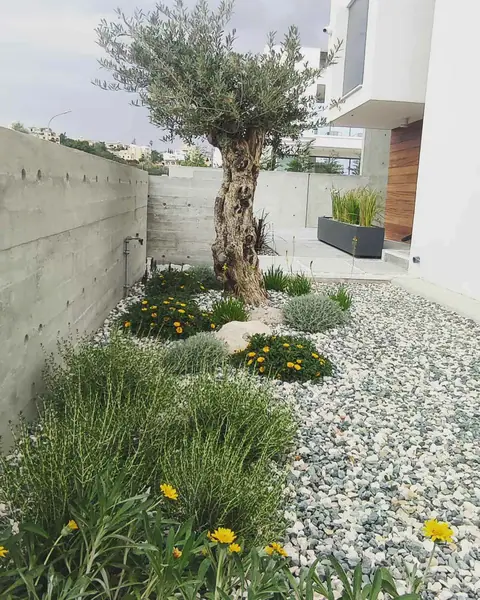
Olive trees are deeply rooted in Mediterranean history – symbolizing peace and prosperity – and culture, for producing a cuisine staple. We love to use olives in our gardens as a focal point, highlighting their ancient, gnarled trunks and silvery foliage. They are living works of art.
- Height
- 3–10 m
- Spread
- 3–10 m
- Flowers
- May to June
- Sun
- Full sun
- Native to
- Mediterranean Basin
-
Chinese Fountain GrassPennisetum alopecuroides Drought tolerant · Low maintenance · Ground cover
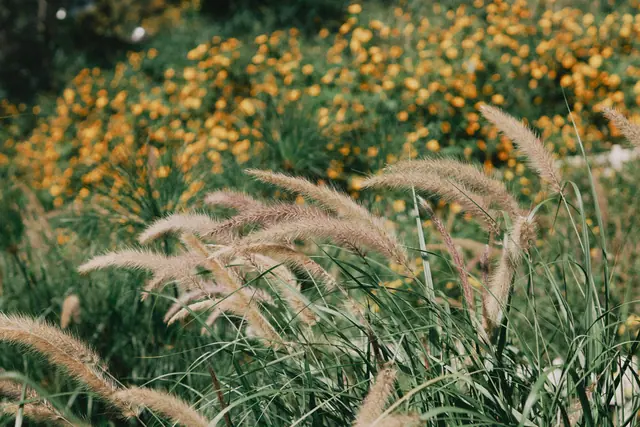
We love using pennisetum in our meadows for its striking beauty and the graceful movement and texture it adds to the garden. Bottlebrush-like flowers only add to the appeal.
- Height
- 60–120 cm
- Spread
- 60–100 cm
- Flowers
- August to October
- Sun
- Full sun
- Native to
- East Asia
-
MasticPistacia lentiscus Drought tolerant · Evergreen · Low maintenance
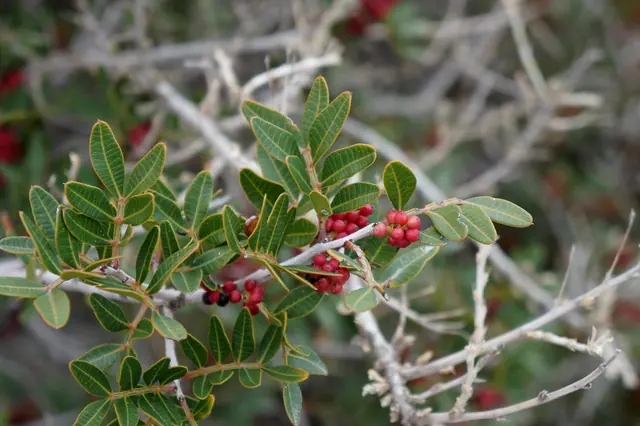
Pistacia is a dense and hardy evergreen shrub local to the Mediterranean. You’ll often see it growing wild. We love to use it as a topiary in our cloud gardens where its dark green leaves and red berries contrast beautifully with germander and rosemary.
- Height
- 1–5 m
- Spread
- 1–4 m
- Flowers
- March to May
- Sun
- Full sun to part shade
- Native to
- Mediterranean
-
PomegranatePunica granatum Drought tolerant · Pollinator friendly · Low maintenance
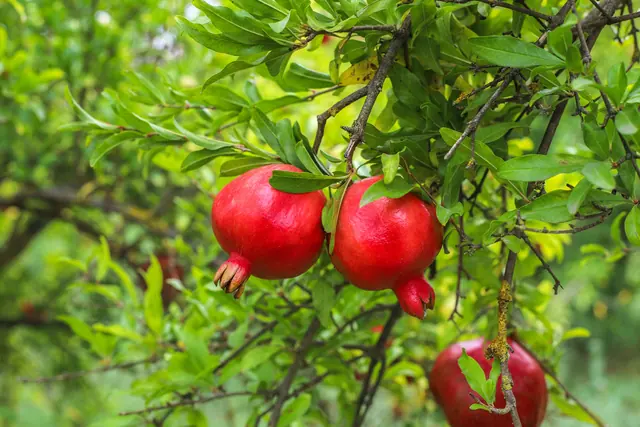
We like to include pomegranate trees in our gardens because of its manageable size and the striking contrast between its bright orange-red flowers and lush green foliage. Not to mention pomegranate’s beautiful and delicious fruits that are packed full of antioxidants and health benefits.
- Height
- 2–5 m
- Spread
- 2–5 m
- Flowers
- May to September
- Sun
- Full sun
- Native to
- Iran and the Himalayas in Northern India
-
RosemarySalvia rosmarinus ‘Prostratus’ Drought tolerant · Pollinator friendly · Evergreen
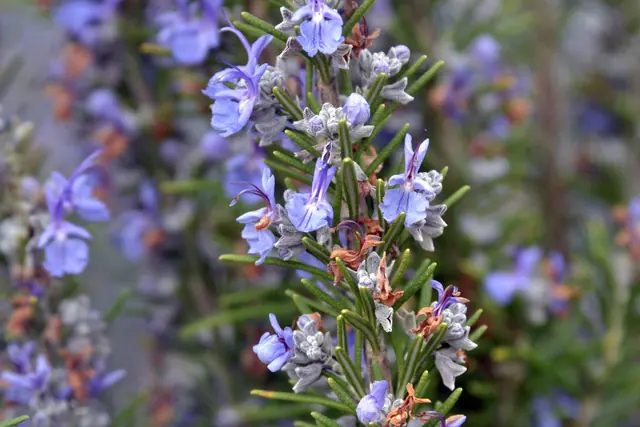
Our own garden is filled with topiary rosemary. It’s aromatic, water-wise and easy to grow. We like to plant it where it can cascade over walls, in gravel gardens and as ground cover where it can creep. You can also use its leaves for cooking delicious Mediterranean food.
- Height
- 30–60 cm
- Spread
- 1–2 m
- Flowers
- March to May
- Sun
- Full sun
- Native to
- Mediterranean
-
Russian SageSalvia yangii Drought tolerant · Pollinator friendly · Evergreen
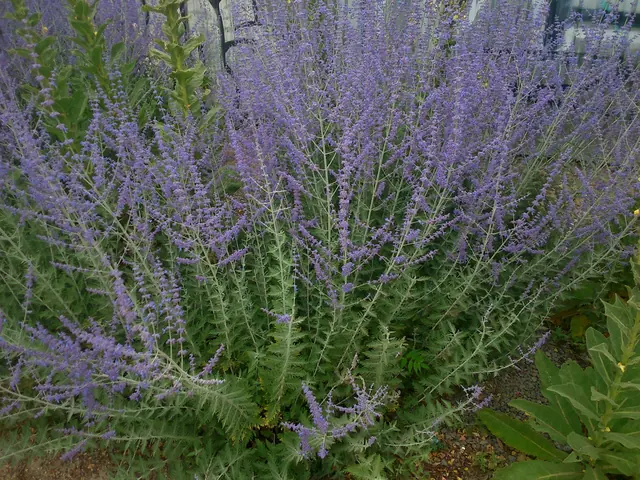
One of our favourite perennials. It’s often confused with lavender because of its vibrant violet-blue flowers and silvery foliage. We think it pairs beautifully with ornamental grasses in an aromatic meadow, where it sways in the breeze and releases its wonderful sage scent.
- Height
- 90–120 cm
- Spread
- 60–90 cm
- Flowers
- May to November
- Sun
- Full sun
- Native to
- Central Asia
-
SantolinaSantolina chamaecyparissus Drought tolerant · Pollinator friendly · Evergreen
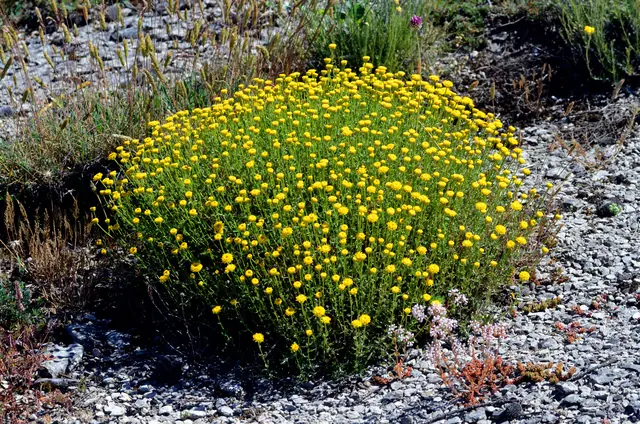
We love santolina for its silvery sage foliage and carpet of button-like yellow flowers. While we plant it for its ornamental value, santolina historically has been used as a panacea in the Mediterranean.
- Height
- 30–60 cm
- Spread
- 60–90 cm
- Flowers
- June to August
- Sun
- Full sun
- Native to
- Mediterranean
-
Mexican Feather GrassStipa tenuissima Drought tolerant · Low maintenance · Ground cover
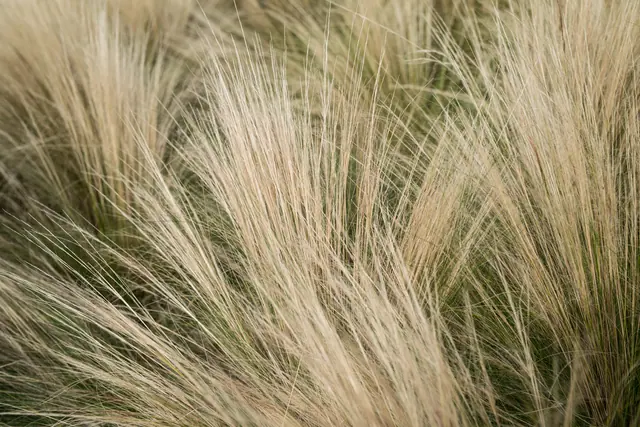
We love to use stipa because of its fine, needle-like foliage and its soft, feathery inflorescences that appear in summer. It’s an excellent choice for adding texture and movement to a garden and pairs beautifully with Salvia yangii in meadows.
- Height
- 60–100 cm
- Spread
- 30–60 cm
- Flowers
- May to June
- Sun
- Full sun
- Native to
- New Mexico and Texas, U.S.A. and adjacent Mexico
-
Succulents & CactiVarious species Drought tolerant · Low maintenance
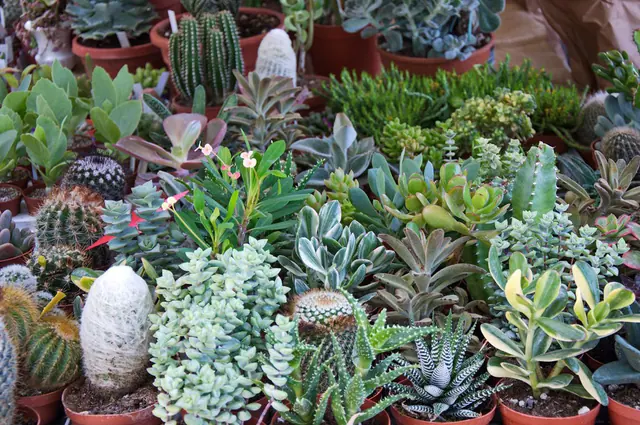
Besides being living pieces of art with their beautiful shapes and structural silhouettes, they are ideally suited for our Mediterranean climate. Some favourites that we like to include in our gardens are crassulae, aeoniums, euphorbias, echinocactus, portulacarias and sedums.
-
GermanderTeucrium fruticans Drought tolerant · Evergreen · Low maintenance
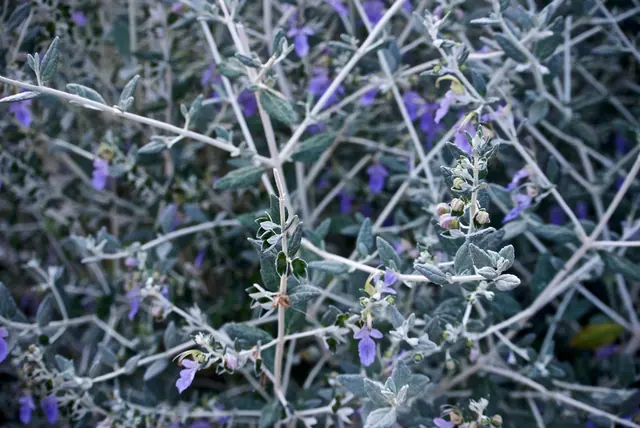
Our cloud gardens are full of teucrium. The shrub is perfectly suited for topiary and its pale silvery leaves and small blue flower steal the show, contrasting beautifully with darker green plants.
- Height
- 1–2 m
- Spread
- 1–2 m
- Flowers
- January to April
- Sun
- Full sun
- Native to
- Mediterranean
-
Star JasmineTrachelospermum jasminoides Drought tolerant · Evergreen · Fragrant
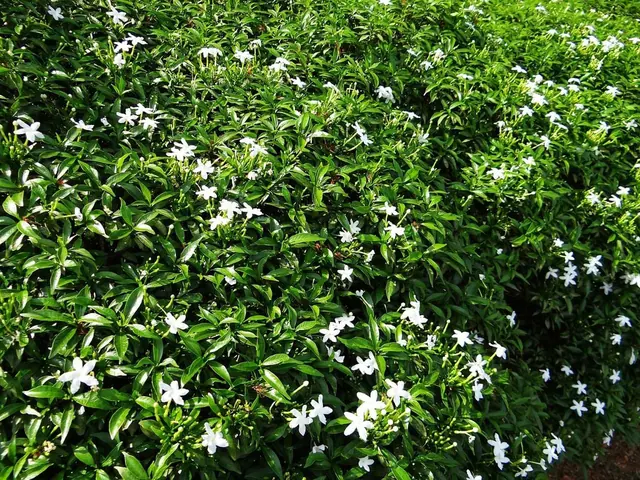
We believe gardens should be a sensory affair, and jasmine brings gardens alive with its intoxicating perfume. We like to plant it near fountains, where the relaxing sound of water combines with jasmine’s fragrance for the ultimate in relaxation.
- Height
- 2–4 m
- Spread
- 1–3 m
- Flowers
- June to September
- Sun
- Full sun to part shade
- Native to
- Middle East to Asia
-
MelissochortoLippia nodiflora Drought tolerant · Pollinator friendly · Low maintenance
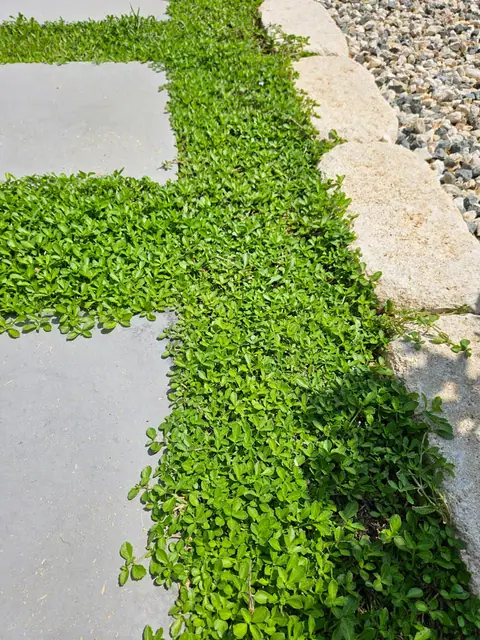
Melissochorto — “bee grass” — is a low, spreading groundcover that thrives in Mediterranean gardens. Its dense growth and tiny, cheerful flowers make it an excellent choice for covering large areas or filling the gaps between stepping stones. It is the most common alternative to an English lawn: it needs very little irrigation and almost no maintenance, resists trampling and salinity exceptionally well — ideal for coastal gardens — and needs no pesticides at all.
- Height
- 5–15 cm
- Spread
- 30–120 cm
- Flowers
- Spring to autumn
- Sun
- Full sun to partial shade
- Native to
- Tropical and subtropical regions worldwide
-
Carob TreeCeratonia siliqua Drought tolerant · Pollinator friendly · Evergreen
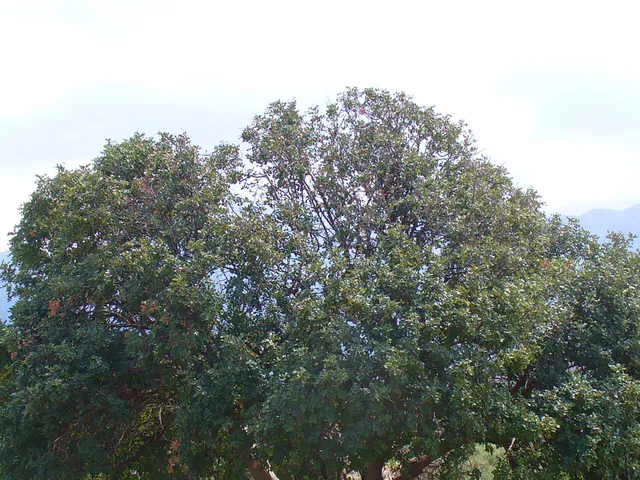
The carob tree, Ceratonia siliqua, is a hallmark of Mediterranean landscapes, prized for its resilience and ecological value. This evergreen tree produces glossy, dark green leaves and edible pods that have been a staple in regional agriculture for centuries. Ideal for low-maintenance and sustainable gardens, it thrives in arid conditions and poor soils.
- Height
- 5–10 m
- Spread
- 6–12 m
- Flowers
- Late summer to early autumn
- Sun
- Full sun
- Native to
- Mediterranean region
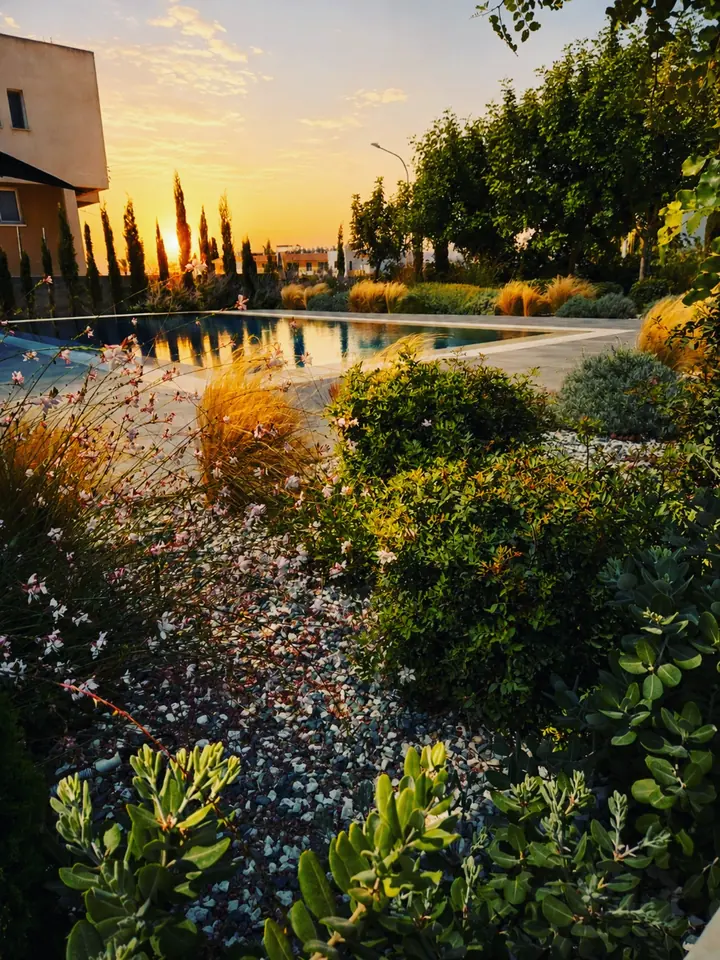
Less water. Less work. More life.
The garden becomes the most important room of the home.
No weekly mowing, little pruning, no spraying schedule. In Cyprus we live outdoors eight to ten months a year — so a garden should be a place to live, to rest and to reconnect with nature.
